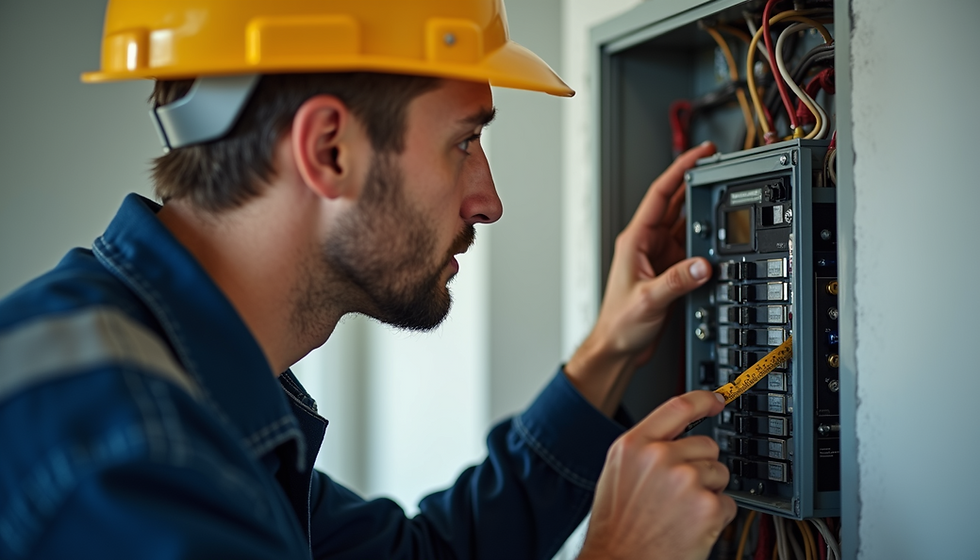
Optimizing Your Home Electrical Systems with Efficient Electrical System Upgrades
When it comes to maintaining a safe and reliable home, your electrical system plays a crucial role. Over time, electrical systems can become outdated or inefficient, especially in areas with unique climates like Kauaʻi. I’ve learned that optimizing your home electrical systems not only improves safety but also enhances energy efficiency and reduces costs. In this post, I’ll share practical tips and insights on how to upgrade your electrical system effectively, ensuring it meets modern standards and your daily needs.
Understanding the Importance of Efficient Electrical System Upgrades
Upgrading your electrical system is more than just replacing old wires or breakers. It’s about creating a system that supports your home’s current and future energy demands safely and efficiently. Many homes in Kauaʻi were built decades ago, and their electrical systems may not be equipped to handle today’s technology and appliances.
Why consider an upgrade?
Safety: Old wiring can pose fire hazards.
Capacity: Modern appliances require more power.
Efficiency: New systems reduce energy waste.
Reliability: Prevent frequent outages and electrical issues.
For example, if you’ve noticed flickering lights or frequent breaker trips, these are signs your system might be overloaded or deteriorating. Upgrading can prevent these problems and give you peace of mind.

Electrical panel upgrade improves safety and capacity
Key Steps to Optimize Your Home Electrical System
Optimizing your home electrical system involves several important steps. Here’s a straightforward approach to help you get started:
1. Conduct a Professional Electrical Inspection
Before making any changes, it’s essential to have a licensed electrician inspect your system. They will:
Identify outdated or damaged wiring.
Check the condition of your breaker panel.
Assess if your system meets current electrical codes.
Recommend necessary upgrades.
This inspection is the foundation for a safe and efficient upgrade plan.
2. Upgrade Your Electrical Panel
Older homes often have panels that can’t handle today’s power needs. Upgrading to a modern panel with higher amperage capacity allows you to:
Add new circuits for additional appliances.
Reduce the risk of overloads.
Improve overall system reliability.
For instance, moving from a 60-amp to a 200-amp panel is common in many home upgrades.
3. Replace Outdated Wiring
Wiring materials like knob-and-tube or aluminum wiring are outdated and can be hazardous. Replacing them with modern copper wiring ensures:
Better conductivity.
Reduced fire risk.
Compliance with safety standards.
4. Install Energy-Efficient Lighting and Appliances
Switching to LED lighting and energy-efficient appliances reduces your electrical load and lowers utility bills. These upgrades are simple but impactful.
5. Add Surge Protection
Kauaʻi’s climate can cause power surges due to storms or grid fluctuations. Installing whole-home surge protectors safeguards your electronics and appliances from damage.
Practical Tips for Maintaining Your Electrical System
Once your system is upgraded, maintaining it properly is key to long-term performance. Here are some practical tips:
Regular Inspections: Schedule inspections every few years.
Avoid Overloading Circuits: Spread out high-power devices.
Use Proper Extension Cords: Avoid using damaged or undersized cords.
Keep Electrical Panels Accessible: Ensure panels are not blocked.
Monitor for Signs of Trouble: Flickering lights, burning smells, or warm outlets need immediate attention.
These simple habits help keep your system running smoothly and safely.

Routine electrical maintenance ensures system reliability
How Climate Affects Electrical Systems in Kauaʻi
Kauaʻi’s tropical climate presents unique challenges for electrical systems. High humidity, salt air, and frequent storms can accelerate wear and corrosion. Here’s what you should consider:
Corrosion-Resistant Materials: Use materials designed to withstand moisture and salt.
Weatherproof Fixtures: Outdoor outlets and fixtures should be rated for wet conditions.
Proper Ventilation: Electrical panels and equipment need good airflow to prevent overheating.
Regular Cleaning: Remove dust and debris that can trap moisture.
By addressing these factors, you can extend the life of your electrical system and avoid costly repairs.
Planning for Future Electrical Needs
When upgrading, think ahead about your future electrical needs. Are you planning to add solar panels, electric vehicle chargers, or smart home devices? Efficient electrical system upgrades should accommodate these additions without requiring another major overhaul.
Install Extra Circuits: Leave room for future appliances.
Consider Smart Panels: These allow better monitoring and control.
Plan for Renewable Energy: Ensure your system can integrate with solar or battery storage.
This forward-thinking approach saves time and money in the long run.
Taking the Next Step with Professional Help
Optimizing your home electrical system is a significant investment in safety and efficiency. I recommend working with trusted professionals who understand Kauaʻi’s unique environment and electrical codes. They can provide tailored solutions that meet your needs and budget.
If you want to learn more about how to improve your home’s electrical system, consider reaching out to local experts who specialize in efficient electrical system upgrades. Their experience will ensure your home is safe, reliable, and ready for the future.
By following these guidelines, you can confidently optimize your home electrical system. It’s about making smart, practical choices that protect your home and improve your quality of life. Remember, a well-maintained electrical system is the backbone of a safe and comfortable home.